Sonia Boué is a multiform visual artist for whom “everything is practice”. She is concerned with themes of displacement and identity, rooted in a fascination with objects, archival materials and the sensory world.
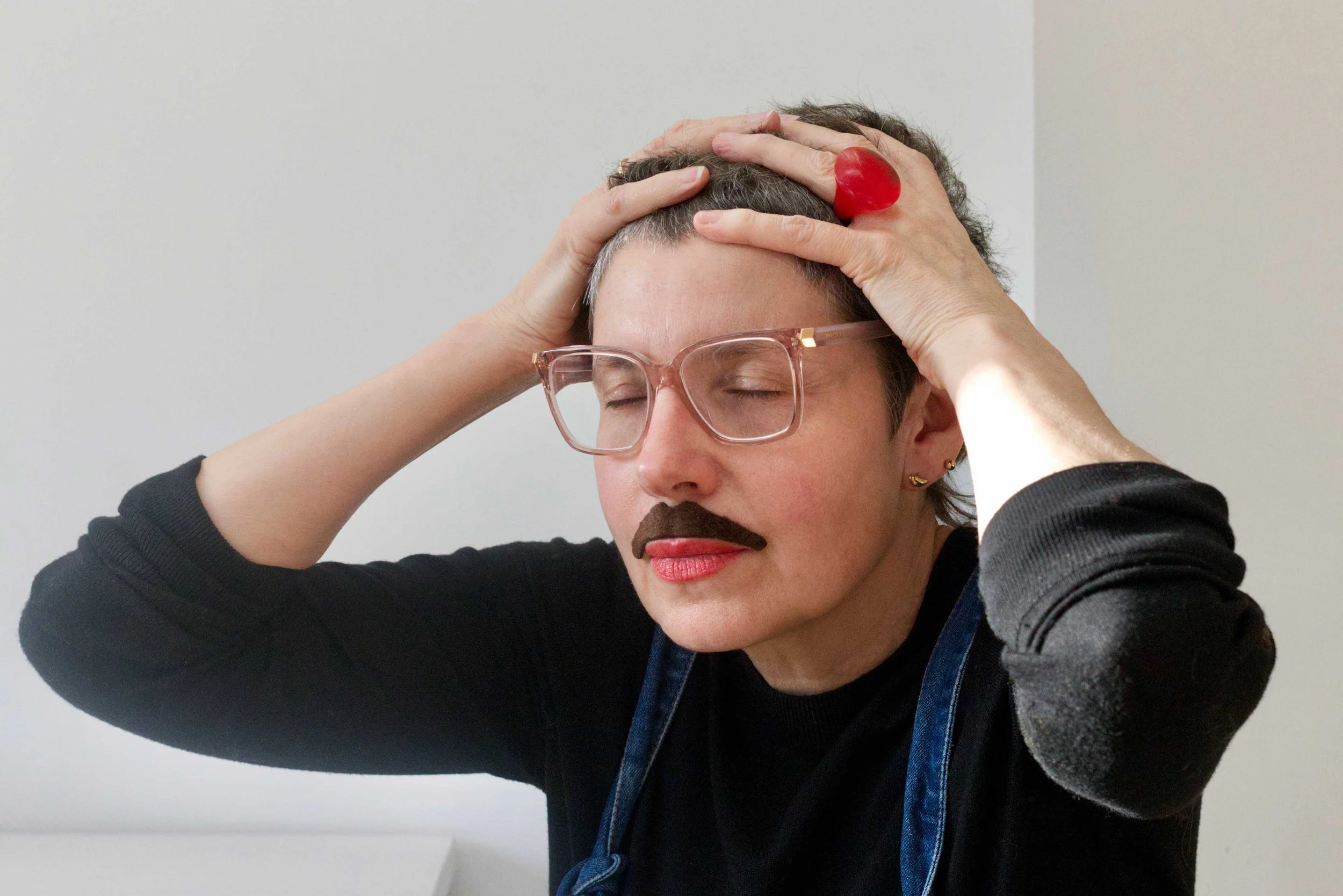
Statement
Boué’s methods are intuitive and process-led, informed by neurodivergent methodologies and wellbeing practices. She combines eclectic research with periods of hyperfocus; her practice spans many forms, including paint, photography, film, assemblage, sculpture, collage and photomontage, writing, advocacy, activism, guest lecturing, project work and mentoring. Boué counterpoints her aesthetic restraint with a playful, engaged approach.
A focus on material memory, themes of forced migration, and inherited trauma has drawn on a family history of exile. This has produced a body of work that includes solo practice, artist collaborations, and has led to work with Tate Britain (2015), BBC Radio 4 (2018) and the Bodleian Library in Oxford (2018).
Boué's advocacy and work on neuro-inclusion centre on identity, a writing practice, and a series of innovative, Arts Council England funded participatory projects. This has culminated in the publication, Neurophototherapy: Playfully Unmasking with Photography and Collage (2023), and led to work with organisations and mentoring.
Institutional commissions have included photography for MIMA’s Thresholds digital exhibition (2020), a live-stream performance for DASH’s We Are Invisible We Are Visible intervention (2022), and a sculptural installation, Look Well After Yourself at John Hansard Gallery (2024), leading to new work in development titled RIPS (Radically Introverted Practices). In 2026, Boué received an Arts Council England Research and Development for Individuals grant for Rip it up and start again, a project to explore grief and loss through machine-knit sculpture.
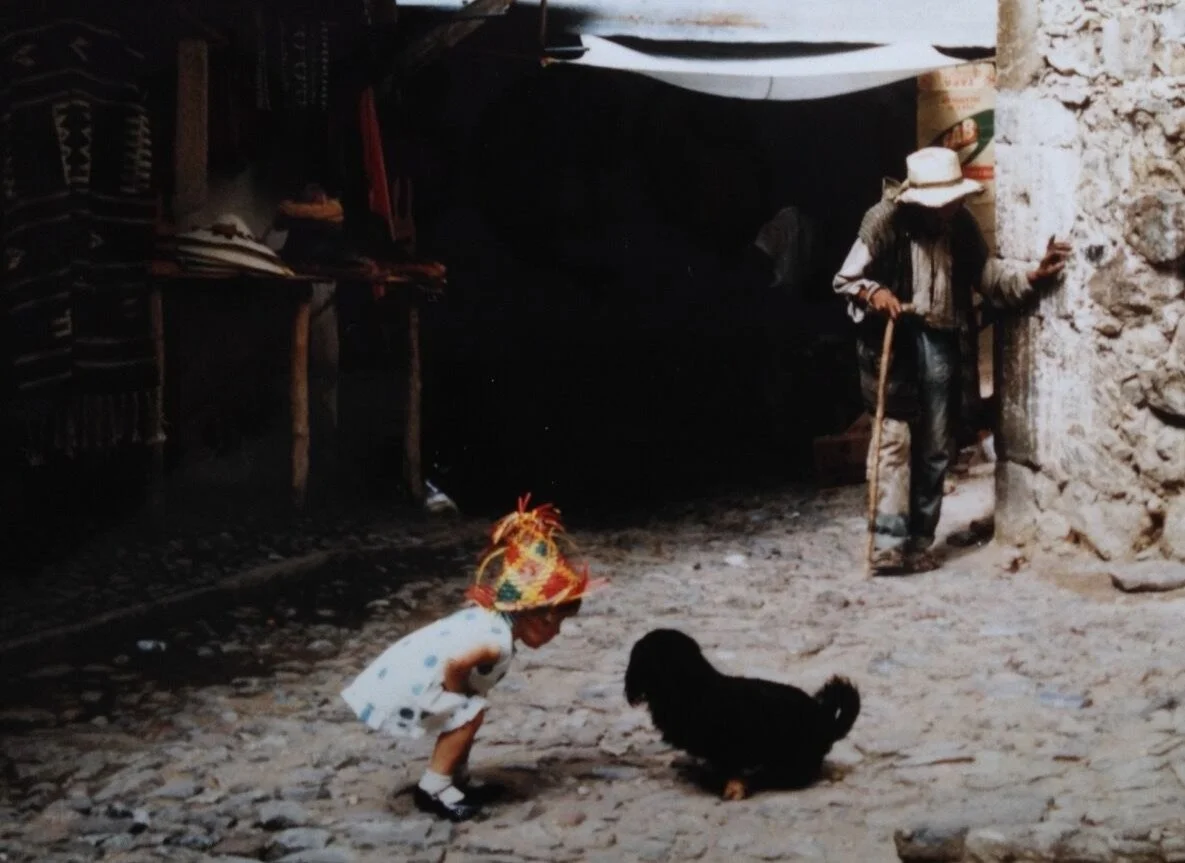
Photo credit: José García Lora
La terremoto
They called Sonia ‘the earthquake’ (la terremoto)
Her earliest experimental work took place in Mexico. At the age of two, Sonia experimented with letting go of a beautiful red helium balloon when she was told not to. Devastated to lose it, she regained her composure by experimenting with swallowing a burst balloon and two pesos. She also enjoyed talking to dogs.
In Barcelona, aged seven, she experimented with releasing the pegs from a pair of her pyjamas, which were hanging to dry on her grandmother's balcony. She became transfixed by the sight of them sailing down five apartment floors to land on the roof of a passing taxi and disappear into the night. This formative memory is cinematic and remains something of a creative pinnacle.
Sonia is working backwards to unlearn everything that separated her from the girl she once was.
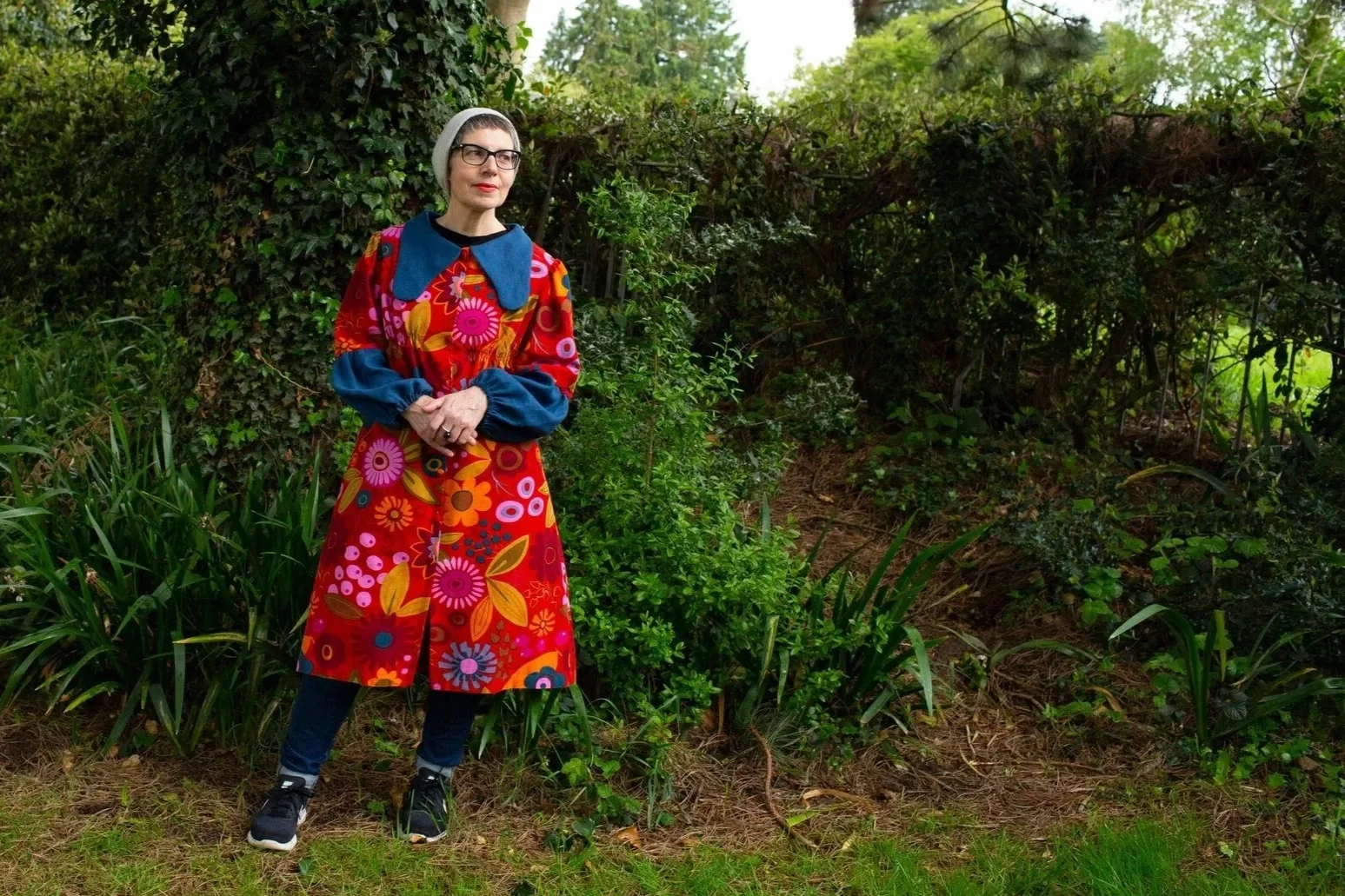
Photo credit Lauren Fleishman for the New York Times, 2021
Biography
Sonia Boué (b. 1962, UK) is a multiform visual artist specialising in neuro-affirming arts practice. She creates and leads solo and participatory projects and responds to a family history of political exile as a consequence of the Spanish Civil War.
Boué writes commissioned articles and book chapters on neurodivergence and art, and collaborates with academics at Goldsmiths, University of London; University College Cork; the University of Kent School of Arts; and UniArts in Helsinki. She is the creator of the Neurophototherapy Project and author of Neurophototherapy: Playfully Unmasking with Photography and Collage (2023), published in print and digital formats, and included in the landmark V&A exhibition Design and Disability (2025–2026).
Additionally, Boué has worked with Tate Britain, BBC Radio 4, MIMA, DASH and John Hansard Gallery as an artist, and has worked neuro-inclusively with the V&A, Plus Tate Network, Wellcome Collection, British Art Network, Autograph and BOM (Birmingham Open Media). Boué also collaborates with arts organisations to deliver neurodivergent programming, including mentoring, and in 2026, she launched DAPHNE Mentoring, a new service for neurodivergent artists and arts organisations.
Boué has received a series of Arts Council England project grants and was nominated for a Paul Hamlyn Award in 2024. She is a Board member for a-n The Artists Information Company and a Trustee at DASH.
For more insight into Boué’s practice, read her interview in AD Magazine’s Anti-Ableist takeover issue here.
Publicly funded projects
Arts Council England funded Research and Development for Individuals for Rip it up and start again, 2026
John Hansard Gallery Exhibition Commission funded by Southampton University (Look Well After Yourself), 2024
Arts Council England funded Neurophototherapy 2 project, 2023
Arts Council England funded Neurophototherapy project, 2021
Arts Council England funded Flow Observatorium Kongress Commission, 2020
Covid Commission Disability Arts Online, 2020
Thresholds Online Exhibition at MIMA, 2020
Arts Council England Covid-19 emergency funding, 2020
Arts Council England funded collaboration with Richard Hunt for the Shadowlight Artist’s LUMINOUS project, 2020
Arts Council England funded, Neither Use Nor Ornament (NUNO), 2018-2019
AHRC funded Playing A/Part Project artist filmmaker commission, 2018
Arts Council England funded collaboration with Richard Hunt for the Shadowlight Artist’s Rising project, 2018
BBC Radio 4 programme The Art of Now: Return to Catalonia, with Overtone Productions, 2018
Artist/mentor, Arts at the Old Fire Station and Crisis Skylight, Our Place Project, 2018
Solo exhibition at Arts at the Old Fire Station in Oxford, ¡Buenos Días Dictador!, 2018
Arts Council England funded, Museum for Object Research, 2017
A-N Professional Development Bursary, 2017
Arts Council England funded Through An Artist's Eye project, 2016
Arts Council England funded collaboration with Richard Hunt for the Shadowlight Artist’s Creative Bridges project, 2016
Tate Britain film collaboration about the life of British artist Felicia Browne, 2015